
Optimal Timing for Storm Restorations
Storm restorations are most effective when performed promptly after storm events, but timing can influence the quality and durability of repairs. Understanding seasonal patterns and weather conditions can help determine optimal periods for restoration work.
Conducting inspections immediately after storms helps identify damage early, preventing further deterioration and reducing repair costs.
Spring and summer often see more storms, but milder weather allows for safer and more efficient restoration work.
Dry, calm weather minimizes delays and complications, ensuring repairs are completed effectively.
Pre-storm preparations can mitigate damage and streamline restoration efforts when storms occur.
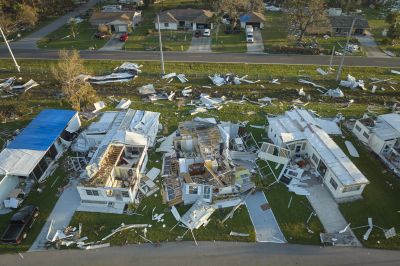
Assessing damage promptly after storms ensures quick response and effective restoration.
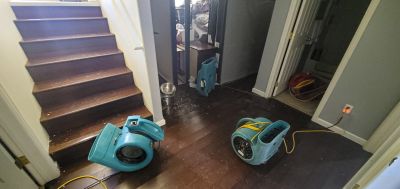
Specialized tools and equipment are essential for efficient storm damage repairs.
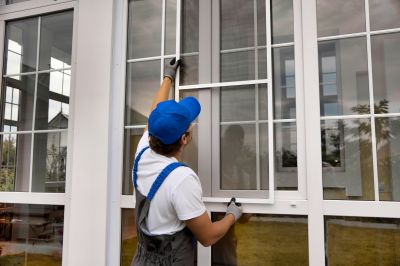
Using durable materials can enhance resistance to future storms.
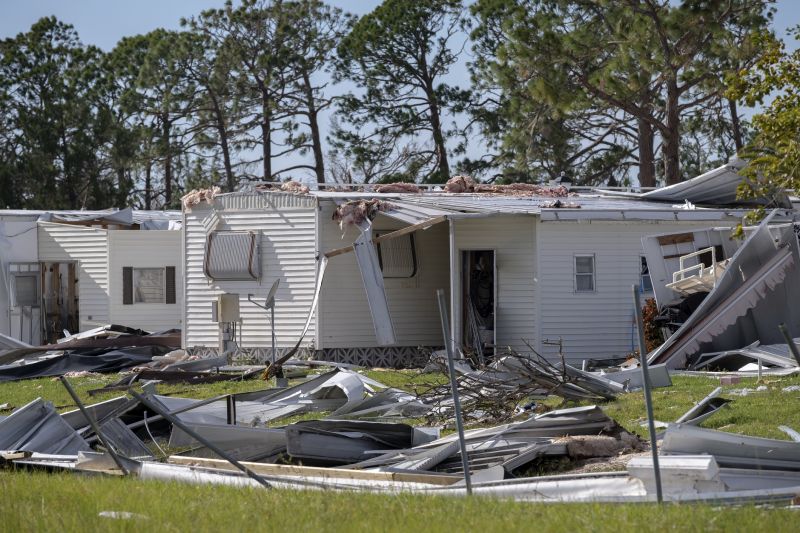
Professional crews work efficiently to restore properties after storm damage.
| Season | Optimal Restoration Timing |
|---|---|
| Spring | Ideal for repairs before summer storms |
| Summer | Best during calm, dry periods |
| Fall | Suitable for post-summer repairs and preparation for winter |
| Winter | Limited due to cold and snow, but necessary for urgent repairs |
Storm restorations involve repairing and restoring properties damaged by severe weather events such as high winds, hail, and heavy rain. Proper timing ensures that repairs are effective and durable, minimizing future risks. Statistics show that timely restoration can reduce long-term damage and associated costs, with many properties experiencing increased resilience when repairs are performed promptly after storm events.
The most suitable periods for storm restorations depend on regional climate patterns and storm frequency. In Michigan, the late spring through early fall months typically offer the best conditions for restoration work, with dry weather and moderate temperatures facilitating efficient repairs. Planning restoration efforts during these times can lead to better outcomes and longer-lasting results.
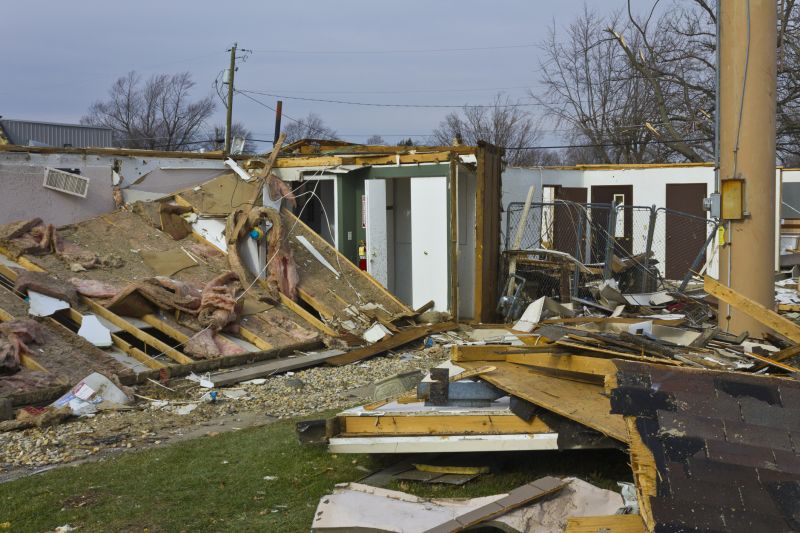
Visual evidence of restoration effectiveness.
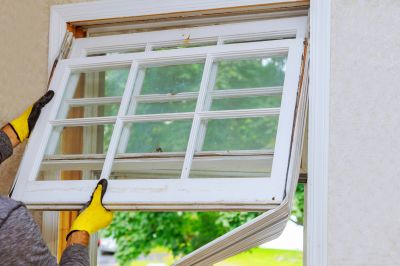
Professional teams restoring properties.
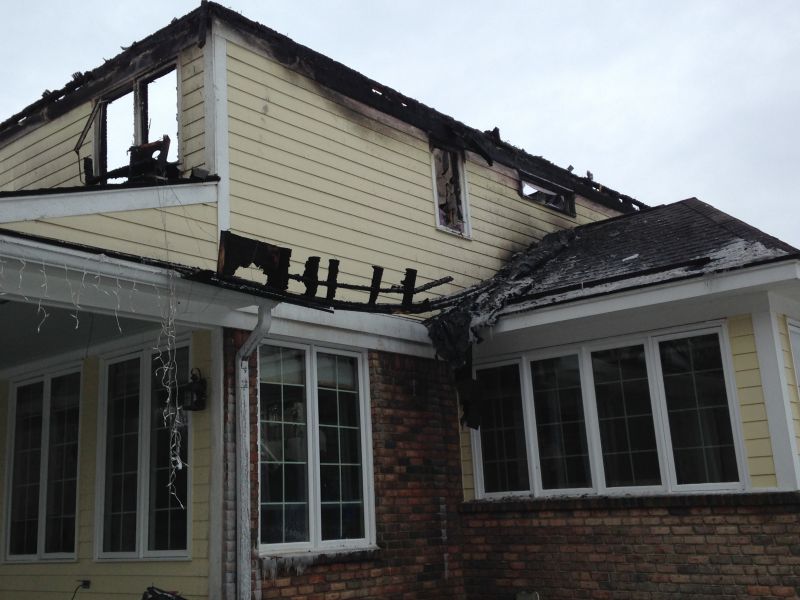
Completed storm damage repairs.
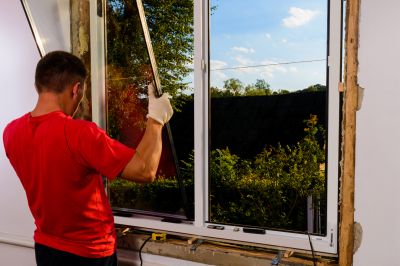
Ways to make Storm Restorations work in tight or awkward layouts.
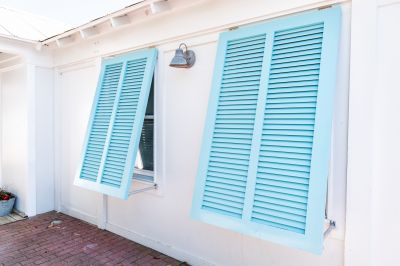
Popular materials for Storm Restorations and why they hold up over time.

Simple add-ons that improve Storm Restorations without blowing the budget.
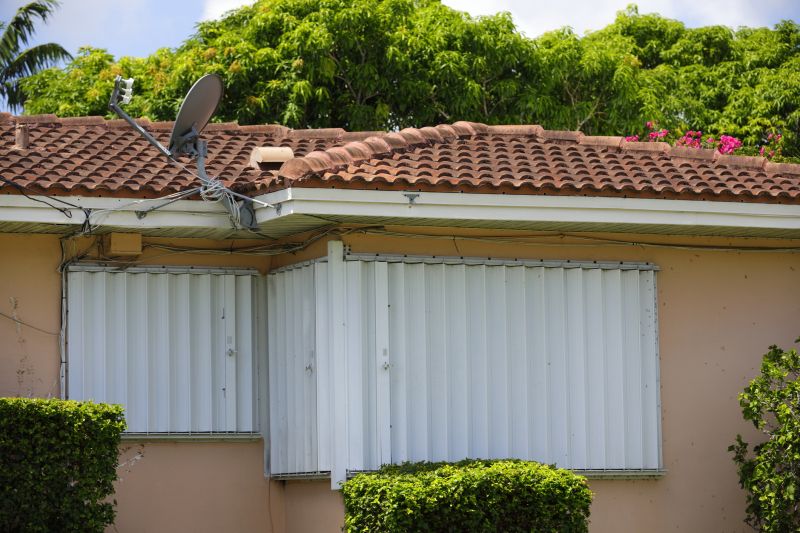
High-end options that actually feel worth it for Storm Restorations.
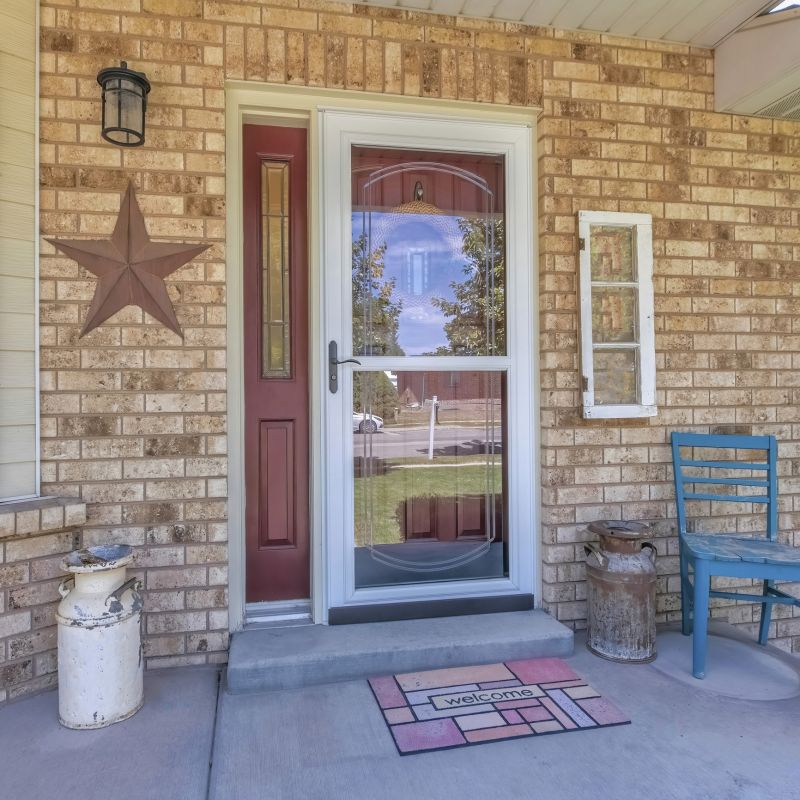
Finishes and colors that play nicely with Storm Restorations.

Little measurements that prevent headaches on Storm Restorations day.
Interested property owners can contact for more information or to schedule a consultation regarding storm restorations. Prompt action can help mitigate damage and restore property integrity efficiently.